Finder Extensions Mac
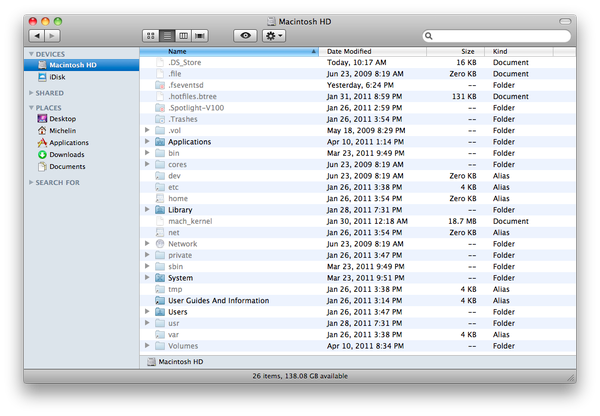
As you must have noticed, you cannot see File Name Extensions (.pdf, .png and so on) on your Mac. However, you can easily change this default behaviour on your Mac and make it either always show File Extensions or Hide File Extension.
Jan 14, 2019 That’s how you end up with weird add-ons, search bars, ad stripes, trackers, and other useless additions.If you need to quickly disable or remove all the sluggish extensions from all browsers, use CleanMyMac X. It’s a safe Mac cleaner that lets you remove all add-ons a few clicks. Add-ons, extensions, and plugins - what is the difference.
What Are Filename Extensions
Every File on a Computer needs to have a File Name Extension, which informs the Computer about the type of File it is and helps the Computer in deciding which Application or Program to use in order to open this particular File.
Avast Cleanup activation code Torrent is a utility software that is the actual need for every user. It does everything faster, and Avast Cleanup program makes your Windows pc more comfortable and efficient so that user will effect. It also helps you to clean all the junks from your Windows PC, Mac devices, and Android smartphones as well. Avast Cleanup Premium Activation Key + Torrent 2020 Avast Cleanup Premium Activation Key is the name of a new and exciting software product to clean and improve your system speed. Also, if you are in constant contact with your PC system for several days, you may have a problem with your PC slowing down at least once. Avast cleanup pro for mac torrent. Avast Cleanup premium helps you to remove all kind of bugs malicious file and malware from your system. On the other hand, it improves the performance of your system. Avast is one of the top brands in the world which provide highly performed software. Avast Cleanup Premium 2020 Torrent does not provide the security but it also cleans up your system. Software is specially used to enhance performance.
For example, Microsoft Word Documents have .doc or .docx File Extension, while Microsoft Excel Files have .xlsx Extension. Similarly, audio files have .mp3, .wma and other types of File Extensions.
Why Show Filename Extensions On Mac
In case you want to, you can choose not to worry about seeing File Extensions on your Mac and blindly trust your Mac to read Hidden File Extensions and open Files for you.
However, not setting up your Mac to Show File Extensions can potentially harm your computer, in case you end up clicking on an unknown file on your Mac without checking its Extension.
For example, let us assume that you come across a New File named as “document01” on your Computer. It is not a good idea to click on such unknown file without taking a look at its extension, especially if you do not recall creating a File with that kind of a Name.
In certain cases, users have reported downloading genuine looking PDF Files on their Mac (with a PDF icon), only to discover that the downloaded file had an .exe Extension (potentially harmful Executable File), instead of being a harmless file with .pdf Extension.
Hence, it is really important that you either enable the option to Show Filename Extensions for all Files on your Mac or learn how to See Filename Extension of individual Files on Mac.
See Filename Extension On Mac (Individual Files)
In case you come across a new or unknown file on your Mac, it is a good security practice to see its Filename Extension before opening that particular File on your Mac.
1. Right-click on the unknown File and then click on Get Info Nintendo switch bios download. option in the contextual Menu that appears.
2. In the pop-up window, click on Name & Extension (1) option to see the Filename Extension of this unknown file on your Mac (See image below).
3. Next, you may want to uncheck the little box next to Hide Extension. This will allow you to see this particular File with its full Filename Extension on your Mac (See image above)
Show Filename Extensions For All Files On Mac
You can make your Mac Show Filename Extensions for all the Files by following the steps below.
1. Click on Finder Icon on the task-bar of your Mac in order to Activate the Finder option in the top menu bar of your Mac.

2. Next, click on the Finder option in the top menu-bar of your Mac and then click on Preferences in the drop-down menu (See image below)
3. On the Finder Preferences windows, click on the Advanced tab and then Enable the option to Show All Filename Extensions on your Mac (See image below).
From now on, you will be able to see the Filename Extensions for all the existing files on your Mac. Also, any new files that you create or download on your Mac will be shown with their Full Filename Extensions.