Microsoft Arc Laser Mouse For Mac
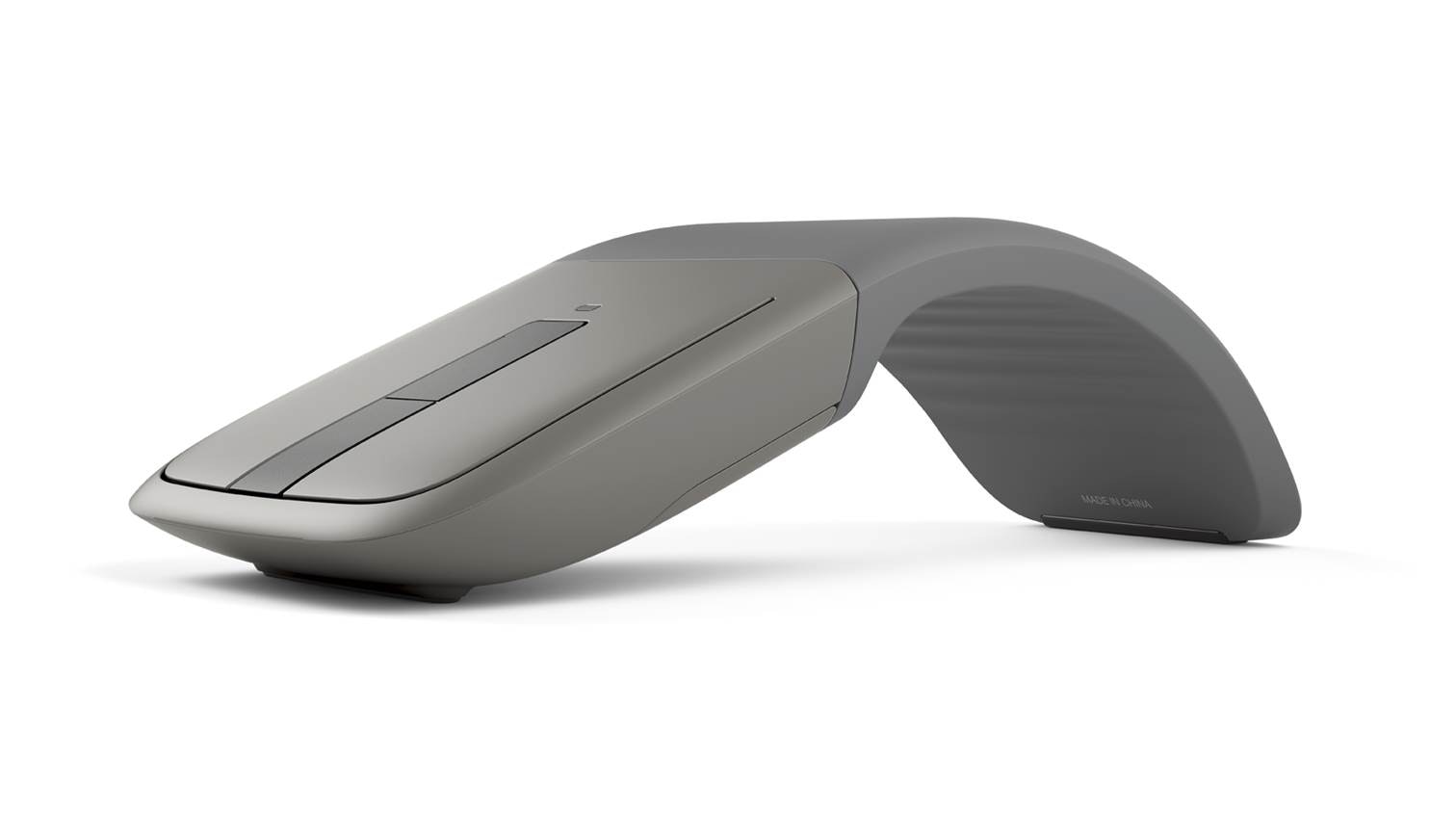
The Microsoft Arc Mouse (with scrolling wheel) is a great device for me.Very simple plug-and-play, or download the software. I have had it work on every computer (XP, Windows 7 32, and 64 bits) without any issues.One left-sided clicking button (for right-handed folks, it's thumb-convenient. The Microsoft Arc Mouse and Surface Arc Mouse are designed to fit to your hand and snaps easily to fit in your bag. These mice are ready to travel no matter where you take your device. To get set up, you’ll need a PC that’s running Windows 10 with support for Bluetooth 4.0 or later. This mouse supports Swift Pair in Windows 10.
Microsoft has a long line of wired and wireless optical mice. Some are only compatible with PCs, while others can work with an Apple computer such as a MacBook Pro, MacBook Air or an iMac. A Microsoft mouse's packaging or system requirements information usually tells you whether a specific mouse is compatible with your OS X system, so you can buy and install an Apple-compatible device.
Compatibility
You can use a Microsoft Mouse on an Apple computer if it's specifically designed for OS X systems. Some Microsoft mice, such as the wired USB Compact Mouse 100, are specifically designed for Windows operating systems, while others are cross-platform devices, which means they can also work with OS X systems. A wired mouse such as Comfort Mouse 4500 is compatible with OS X systems. Wireless Microsoft mice such as Wireless Mobile Mouse 3000 and Wireless Notebook Optical Mouse 3000 Limited Edition are compatible with Apple computers running OS X 10.4 and above.
Tips For Purchasing Microsoft Mice
Microsoft mice for Apple computers come in a variety of sizes, shapes and vary in features and performance. Some are wired USB mice, while others employ wireless technology. How slow or fast a mouse's scroll wheel is plays a vital role in a device's performance. Some Microsoft mice, especially laser mice, work well on multiple surfaces, while others are better suited for wooden or plastic surfaces, so it's advisable to compare Microsoft mice features in addition to the system requirements before purchasing one. Check the system requirements information usually found on the back or front of the device's packaging. If you're purchasing a mouse online and want to use it with an Apple device, check view the operating system requirements and product guide information before you buy.
Installing Compatible Mice
If you have a wired or wireless Microsoft mouse that is compatible with your Apple computer, it must be properly installed to work properly. Some mice, especially wireless optical mice, come with a USB receiver. This small device enables your Apple computer to communicate with a mouse to perform tasks such as scrolling, highlighting and right-clicking objects. Wireless mice are also battery-powered, so you must install a fresh pair of AAA or AA alkaline batteries, depending on the model. If you plug the USB receiver into an open USB port, position the mouse within reasonable distance of it. Depending on the model, the mouse may work immediately, or you may have to power and pair it with the receiver. Refer to your mouse's instructions for device-specific setup instructions. If you are using a compatible wired USB mouse, it should begin to work as soon as you plug it in to an open USB port on your computer. Wired mice rely on a computer's USB drivers to function, so additional drivers are not necessary.
Microsoft Mice Troubleshooting
In some cases, a compatible Microsoft mouse will not work with your Apple computer if it is not properly installed, or if the computer is not detecting an installed mouse. This is especially common with USB conflicts and system errors that can interfere with communication between the computer and your mouse. Whether you're using a wired or wireless Microsoft mouse, restarting the computer generally reboots USB ports to solve simple problems. If communication problems persist, disconnecting your wired mouse or a USB receiver for a wireless mouse, and reconnecting it can jumpstart the connection. Interference from other USB devices can cause communication problems, so disconnecting all USB devices other than the mouse and keyboard is at times necessary to resolve USB conflicts.
References
More Articles
| Click here to return to the 'Microsoft Keyboard & Mouse Drivers for Mac' hint |
Is this just to enable and set extra buttons?
I have a wireless bluetooth IntelliMouse, but it only has 5 buttons total and I use 4 & 5 for expose which works without the driver.

Slightly off topic, but would anyone happen to know where or how to get separate keyboard drivers from the Logitech Control Center suite for OSX? I have an older Elite keyboard that uses LCC, but a newer G5 laser mouse that will not function if LCC is installed (it does however work with USB overdrive, but LCC must still not be installed on the system).
The MS keyboard driver also works well for it's PS/2 keyboards as well. I had a spare MS Natural keyboard, bought a generic USB-PS/2 adapter, then hacked the driver usb-matching dictionary to recognize the generic adapter. Now the keyboard works great, including the non-standard buttons like volume-up/down/mute/play.

Could you explain a bit more in detail? Which file contains the dictionary and where did you get the correct values from?
You need to edit the file at:
/System/Library/Extensions/MicrosoftKeyboard.kext/Contents/PlugIns/MicrosoftKeyboardUSB.kext/Contents/Info.plist
This contains the USB matching information that match USB information for the device with which devices Microsoft's kext supports.
I added this dictionary entry to it [as a child entry of the 'IOKitPersonalities' dictionary:
<key>P063 Wireless Natural Multimedia Keyboard</key>
<dict>
<key>CFBundleIdentifier</key>
<string>com.microsoft.driver.MicrosoftKeyboardUSB</string>
<key>IOClass</key>
<string>MicrosoftKeyboardUSB</string>
<key>IOProviderClass</key>
<string>IOUSBInterface</string>
<key>bConfigurationValue</key>
<integer>1</integer>
<key>bInterfaceNumber</key>
<integer>0</integer>
<key>idProduct</key>
<integer>1</integer>
<key>idVendor</key>
<integer>3389</integer>
</dict>
I found the information needed for this using USB Prober, which is part of XCode [free download from Apple, also on System Installer DVD's].
This is the info that is displayed in USB Prober for my adapter:
Low Speed device @ 5 (0xFD110000): ....................... Composite device: 'USBPS2'
Device Descriptor
Descriptor Version Number: 0x0110
Device Class: 0 (Composite)
Device Subclass: 0
Device Protocol: 0
Device MaxPacketSize: 8
Device VendorID/ProductID: 0x0D3D/0x0001 (TANGTOP TECHNOLOGY CO., LTD.)
Device Version Number: 0x0001
Number of Configurations: 1
Manufacturer String: 0 (none)
Product String: 2 'USBPS2'
Serial Number String: 0 (none)
Last time I installed the MS keyboard/mouse software, the combined installer had a 'customize' button that allowed you to choose the mouse or keyboard software only.